
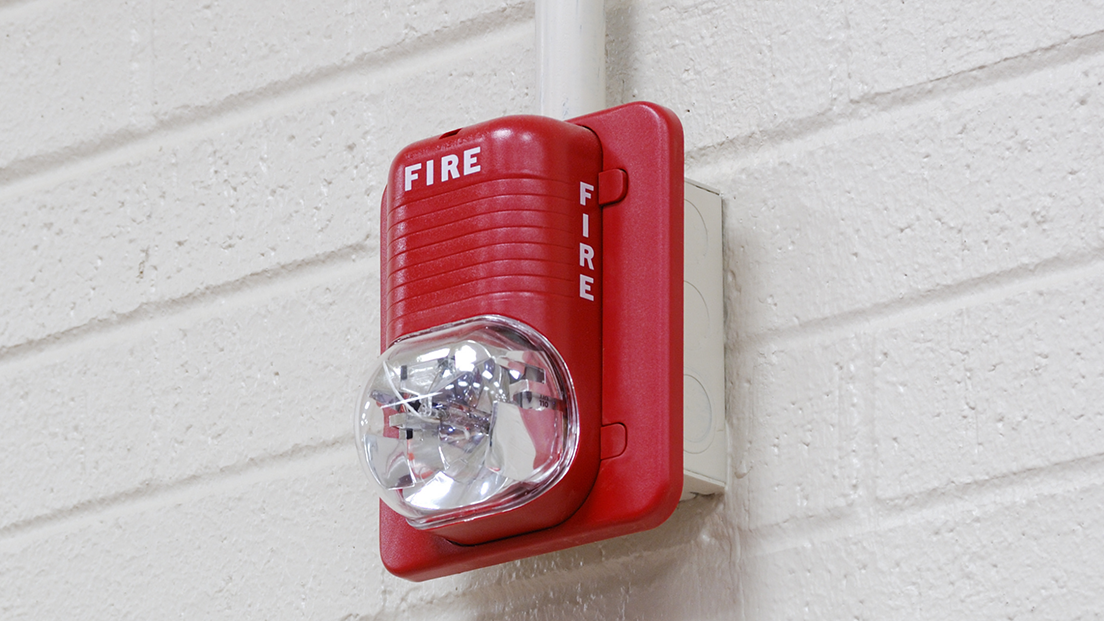
Installing an efficient and reliable fire alarm system is one of the most important lines of defense you can have for your commercial property. These systems are required by law and are essential tools for firefighters responding to incidents at your building.
Imagine the property you own has an electrical fire start in the warehouse during operational hours. Think about how many staff are on-site when this fire protection emergency occurs. How might a fire alarm system help the firefighters dispatched to your building?
Types of Fire Alarm Systems
Not all fire alarm systems are the same.
Here are the most common types of fire alarm systems used in commercial buildings.
Conventional Fire Alarm Systems
These systems divide a building into zones. When a detector goes into the alarm, the panel indicates which zone triggered the alarm.
It doesn’t indicate which device specifically triggered the alarm, making it sometimes challenging for firefighters to locate the fire.
Addressable Fire Alarm Systems
Addressable Fire Alarms give each alarm a unique address. When the alarm goes off, the panel shows exactly where it is, allowing first responders to target it right away.
Monitored Systems
Monitored systems are connected to fire protection services and notify responders immediately when a fire alarm sounds.
Non-Monitored Systems
These systems rely on occupants or a third party to call emergency services, which can delay or even prevent responders from getting to the scene.
Fire Alarms Automate Communication to the Fire Department
Fire alarms automate the communication from the scene of an emergency to the fire department.
Monitored fire alarm systems are connected to the fire department either by phone, cellular dialer or a network connection. This is important because the fire department is alerted the moment your system goes into alarm, rather than waiting for a person to notice the fire and call themselves.
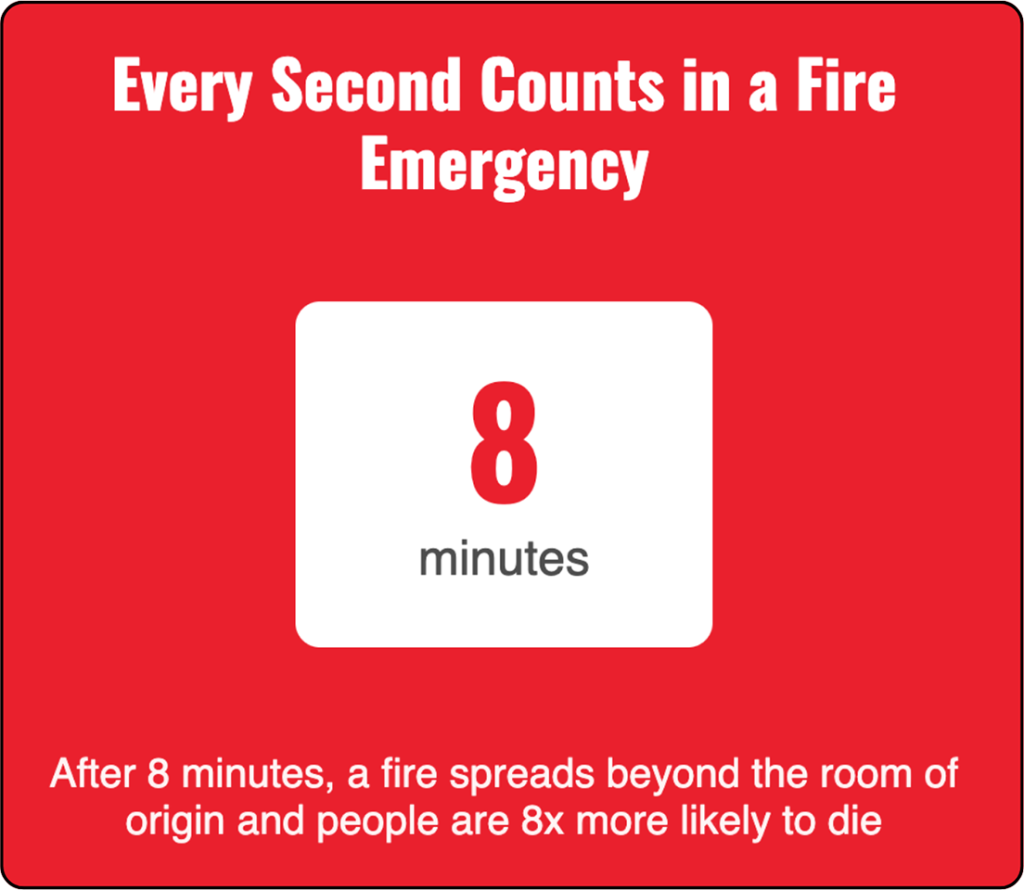
The time between when a fire starts and when employees can get to safety is crucial. Research from the National Fire Protection Association (NFPA) states that within “eight minutes, a fire is beyond the room of origin, and people are eight times as likely to die in a building fire after those eight minutes.”
Having a fire alarm system in place that can automatically contact the fire department means emergency responders can arrive faster.
Fire Alarms Help Identify the Origin of the Fire
Modern fire alarm systems with addressable intelligence can identify the location of the fire. This information helps firefighters respond to the fire without having to search for it, saving precious seconds and maximizing their efforts.
Fire Alarms Trigger Sprinkler Systems
Comprehensive fire alarm systems include a connected automatic sprinkler system. This is a vital component in aiding the fire department.
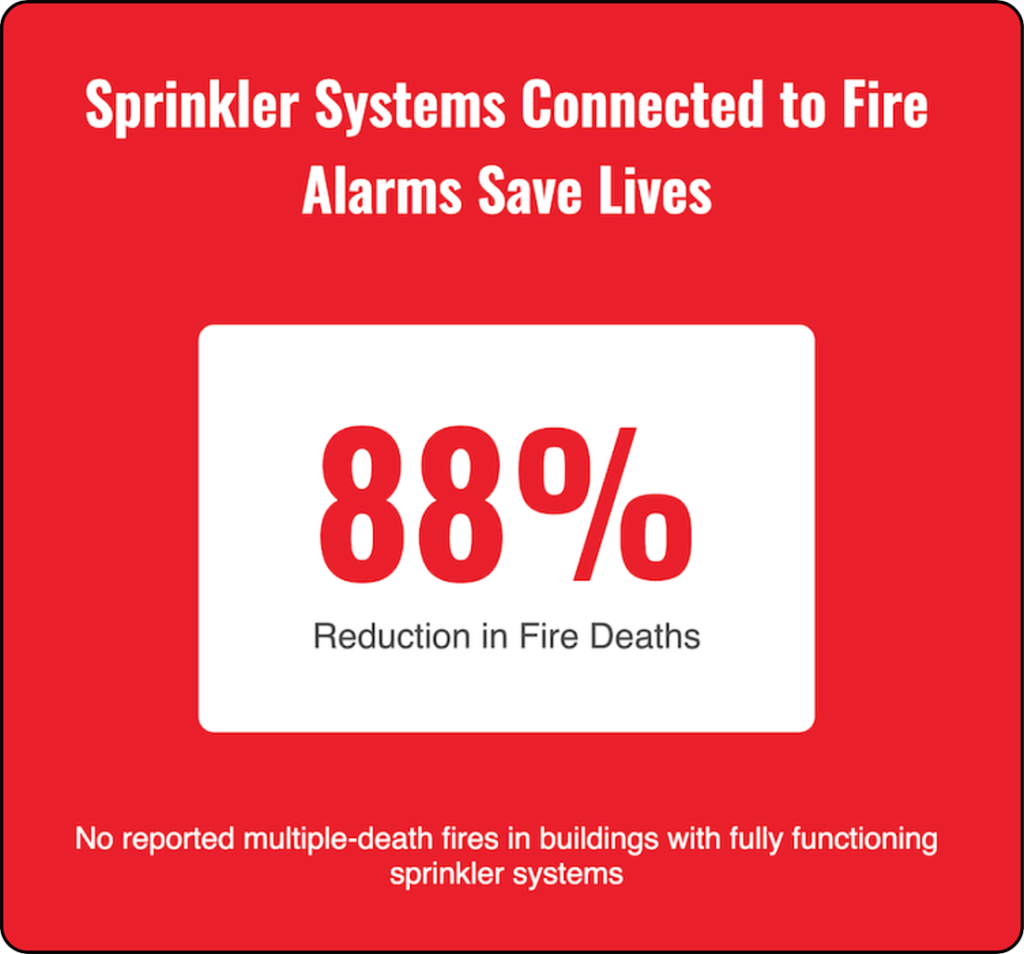
Sprinkler systems can reduce deaths by 88 percent, and the NFPA reports that there have been no reported multiple-death fires in buildings with fully functioning systems.
Sprinkler systems are designed to suppress fires by reducing the rate of heat release. Cooling down the fire helps to prevent it from spreading.
While sprinkler systems are not designed to fully extinguish blazes, they can help isolate the fire, keep it from spreading, and make it easier and safer for firefighters to complete the job.
Fire Alarms Improve Response Time and Accuracy
Fire alarm systems are a valuable tool in aiding firefighters, but only if they are working properly.
Fire code requires these systems to be inspected at least annually to ensure they detect smoke and heat correctly. Maintenance and testing should be performed by a licensed and trained professional who can verify your system is functioning as designed.
Fire-related loss is much more likely to occur in incidents where fire alarms are not working properly.
What Happens if Your Fire Alarm System Fails?
When your fire alarm system fails, serious consequences will follow.
According to one report, smoke alarms were not present in 52 percent of the larger fires in nonresidential buildings. Only 20% had an automatic extinguishing system.
In U.S. structure fires studied over recent years, almost three out of five fire deaths occurred in properties with either no smoke alarms or alarms that failed to operate.
The death rate per 1,000 fires was more than twice as high in structures without working alarms compared to those with functioning alarms.
These figures don’t even account for the property damage and other injuries caused by malfunctioning fire alarm systems.
The best way to ensure your fire protection system stays up and running is to schedule regular maintenance with Allegiant Fire Protection.
Need a Fire Protection Tune-Up? Call Allegiant Fire Protection Today.
A reliable fire alarm system is a valuable tool for firefighters responding to an incident at your building.
Allegiant Fire Protection wants to protect you and your greater Chicago area property from fire damage. Let our team of experienced technicians and support staff help you identify the right fire alarm system for your location.