
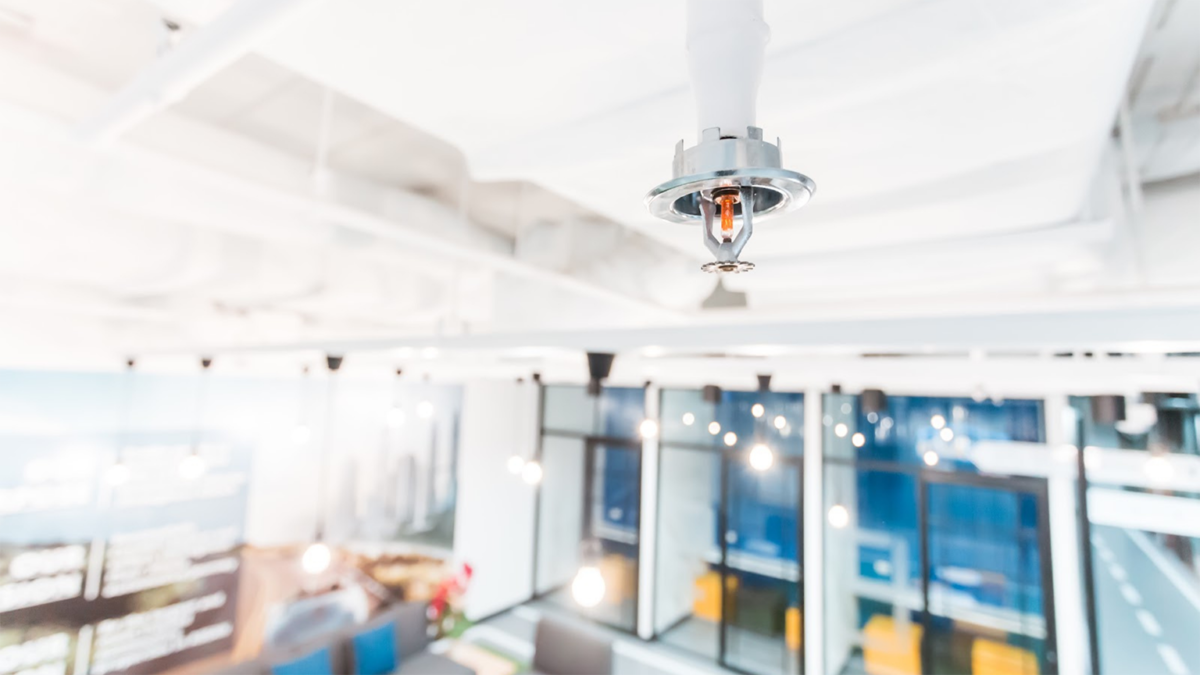
Fire sprinkler systems are an essential part of building safety. Between 2015 and 2019, “local fire departments responded to an estimated average of 51,000 structure fires per year (10 percent) in which sprinklers were present.”
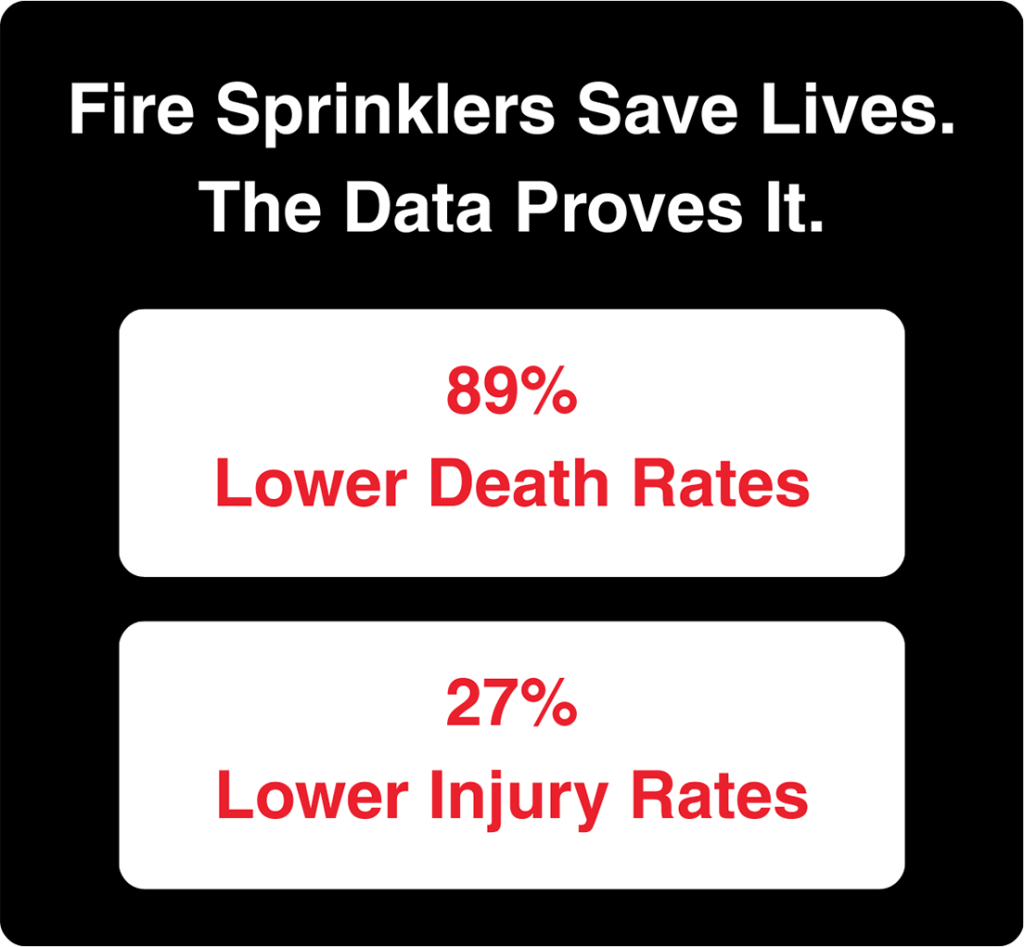
Fires in buildings with installed sprinkler systems resulted in death rates at 89% lower and injury rates at 27% lower than fires in buildings without sprinklers.
A sound sprinkler system is the unsung but overlooked hero of any building – sitting high up on your facility’s walls and/or ceiling, just out of sight enough to become out of mind and escape adequate maintenance.
But the last thing you want during a fire is for your sprinkler system to fail. That’s why Allegiant Fire Protection recommends scheduling fire sprinkler inspections often so that you are always prepared in the case of an emergency.
What Is a Fire Sprinkler Inspection?
Checking your fire sprinkler systems is often a vital part of staying up to code, and you don’t want to get caught off-guard by city inspectors who find out your system isn’t up to date.
No different from a regular inspection for your car or a cleaning for your teeth, a fire sprinkler inspection is a complete run-through of your sprinkler system to ensure everything is working correctly before a problem exists.
While some of these checklist items might seem simple to figure out, it’s best to leave your fire sprinkler system inspection to the professionals.
The professionals at Allegiant Fire Protection not only have the experience to find those easy-to-miss problems but years’ worth of knowledge to fix them so they won’t be problems anymore.
Regular inspections and maintenance go a long way in preventing unwanted fire damage, but how often should you call in the professionals?
What Happens in Chicago if You Miss a Fire Sprinkler Inspection?
For building managers and commercial real estate owners, missing a fire inspection is a big deal. Not just because of the risks of a broken fire sprinkler system, but also because there are real financial penalties involved, too.
And missing an inspection is an escalating penalty. According to the Chicago Municipal Code, building owners face fines of $1,000 to $2,500 per offense for fire safety violations, and critically, each day that a violation continues constitutes a separate and distinct offense.
We’ve seen instances of fines and violations increase by $750 a day until everything is cleared up.
Even if you have comprehensive fire insurance, neglected fire sprinkler inspections can result in the complete denial of your insurance claim. After an event, insurance inspectors usually ask for information about the last time the building’s fire sprinkler systems were inspected.
Insurance also requires NFPA 25 Compliance and compliance with local fire codes. If you are not in compliance, they can terminate your policy. If they don’t terminate your policy, then they will certainly raise your rates and remove any discounts you might have.
There’s also the liability aspect to consider. You can be held liable for injuries that are the result of failed or ignored inspections. Multiple cases nationwide have led to hefty lawsuits, and in some instances, criminal charges.
You can be held personally liable for fire-related damages even when sprinkler systems weren’t technically required by code. In multiple cases, owners had to pay out millions of dollars because they failed to have or maintain fire sprinkler systems.
Building owners and managers “have an obligation to maintain safe conditions for employees and occupants”, and employees working in a sprinklered building come to expect a certain level of protection. Failing to maintain that protection creates both moral and legal liability.
What Is The Importance of a Building Manager?
Here at Allegiant Fire Protection, we believe that a good building manager is an informed building manager. This is especially important when it comes to fire sprinkler inspection elements and requirements.
Your building manager should be able to:
- Stay informed on sprinkler system inspection requirements
- Articulate what kinds of inspections the sprinklers have undergone
- Confirm the systems are up to code
Keep this information on hand when fire system inspectors check out your sprinkler system.
How Often Should I Have My Fire Sprinklers Inspected?
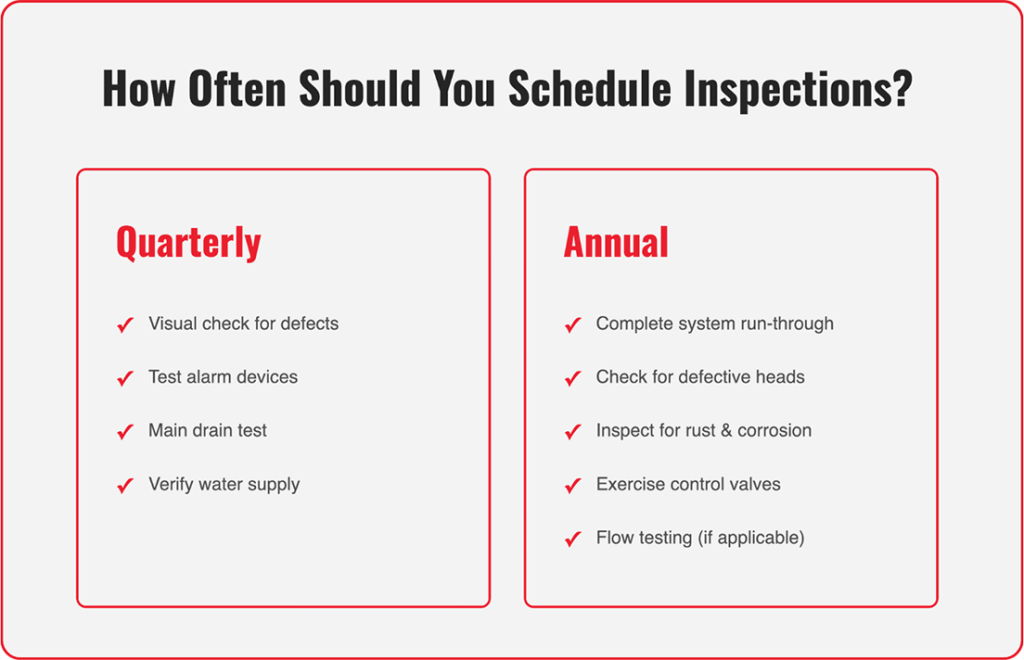
Clients often ask us how often, exactly, they should have their system inspected, and the short answer is it depends on the needs of the building, the type of building, and the size of the building.
You’ll also have to keep local codes in mind when you schedule your professional inspections, as well as complete your own.
There are two times you should have your fire sprinklers inspected.
Quarterly
Quarterly fire sprinkler inspections are much less detailed and take much less time to complete than our annual fire sprinkler inspections.
During our quarterly inspections, we:
- Look over the system as a whole for minor defects
- Test the functionality of all sprinkler system alarm devices
- Perform the main drain test to ensure an adequate water supply to the system
While it might feel easy to let the quarterly inspection fall by the wayside since it occurs multiple times each year and might feel inconsequential in light of the in-depth annual inspection, it is essential to remember that both types of assessments work in tandem and are necessary to meet local fire codes.
Annually
During our annual inspections, we will complete the same items on the quarterly inspection, but also:
- Perform a complete run-through visual inspection of your system
- Look for defective heads, rusted, corroded pipes, and any other functionality impairments
The annual checks are more time-consuming and require access to all areas covered by the sprinkler system. The inspector will also exercise all control valves through their entire range of motion and perform flow testing of fire pumps or dry systems if applicable.
The professionals at Allegiant Fire Protection take fire protection and the safety of your facility seriously. We know that an improperly-working sprinkler system is detrimental in the event of a fire.
Fire Sprinkler Inspection Checklist
Now that you know you need your fire sprinkler system inspected regularly, let’s do a deeper dive into what we’re looking for.
Check for defects
There are a couple of identifiers we are looking for during our quarterly inspections, including broken sprinkler heads, damaged pipes, or something else.
One item we look for is painted over sprinkler heads. Only manufacturers can do this, as even the smallest paint jobs could cause a sprinkler malfunction.
Our quarterly inspection goes through every important element of your sprinkler system to ensure that no defective parts need to be replaced.
Test sprinkler system alarm functionality
Testing the sprinkler system alarm is a multi-step procedure. We first reach out to the building occupants to make them aware of the sprinkler system test.
Once we’ve done that, we will test the sprinkler system alarms to ensure they are working properly. Also known as an inspector’s test, here we identify whether or not the sprinkler system’s alarm and water flow alarm are operational.
The inspector’s test is a simulation, so no sprinklers are activated during the examination.
Perform the main drain test
The main drain test “evaluates the condition of the water to a fire sprinkler system.” We are looking to find any deterioration of the water supply in the main piping.
A fire sprinkler system’s water supply needs to be fully opened and often fails due to an obstructed main drain.
Need a Fire Sprinkler Inspection? Call Allegiant Fire Protection Today.
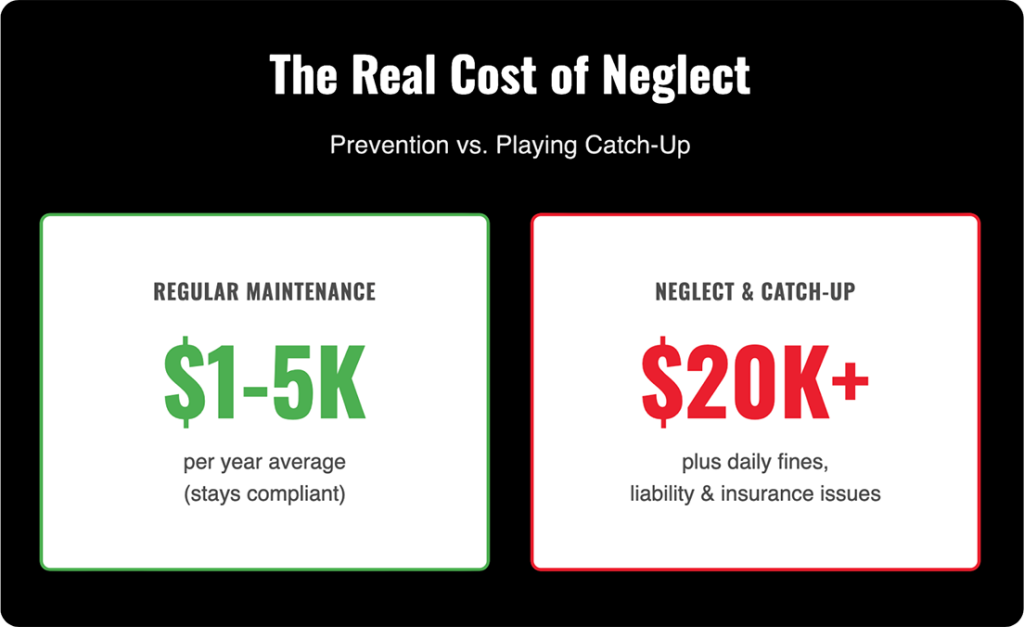
Regular maintenance costs an average of $1,000-$5,000 per year, depending on the size of a building, but paying those costs upfront is worth it in light of the $20,000 plus dollars you’ll spend on average playing catch-up if you neglect to inspect your system adequately as recommended by national guidelines.
Reach out to the pros at Allegiant Fire Protection to schedule your quarterly and annual inspections.
Allegiant Fire Protection takes fire protection and the safety of your facility seriously. We know that an improperly-working sprinkler system can make a huge difference. Our sprinkler system inspection and testing schedule is determined by the local code, building occupancy type, and the system’s components.
Our NICET-certified technicians follow the requirements outlined in the National Fire Protection Association’s code NFPA 25, along with any additional local regulations, to ensure your peace of mind regarding your facility’s sprinkler system.
Please don’t hesitate to give us a call today and discuss your sprinkler inspection options.